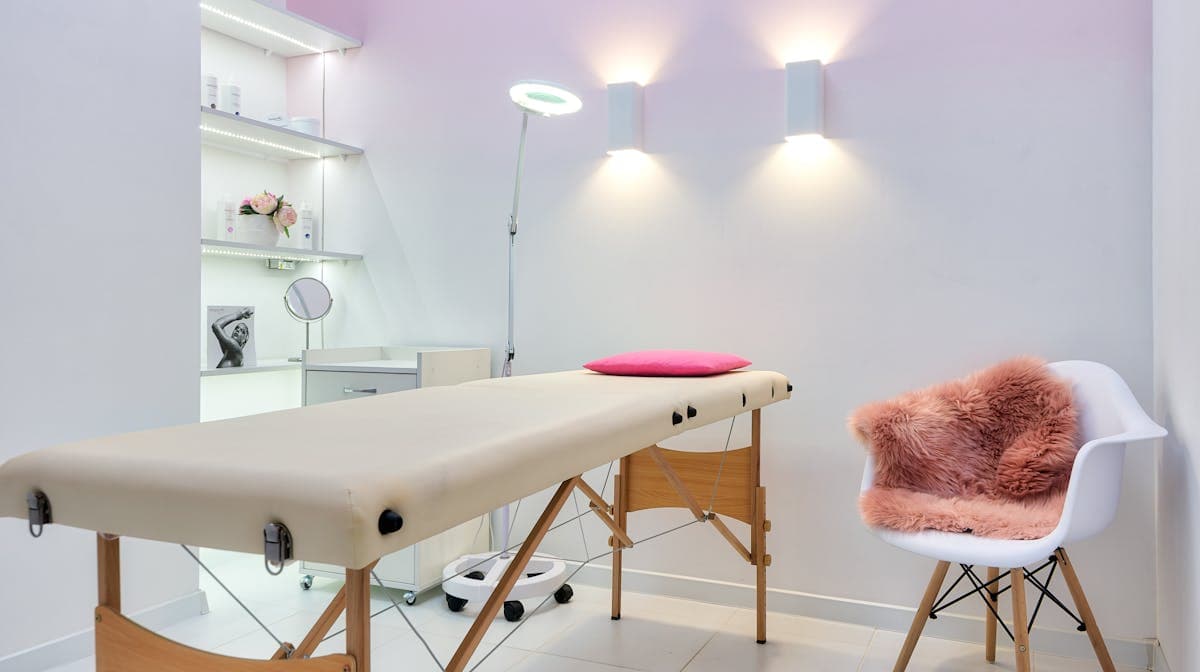
Five years ago, the salon suite model looked like the obvious path for independent stylists. Privacy, control, no commission splits. You paid your rent, you ran your business.
The pitch still sounds good. For some stylists, it works great.
But a growing number of independent stylists are either leaving suites or never starting in them. Here's an honest look at why — and what they're doing instead.
What's changed with salon suites
Rent has gone up significantly. The salon suite industry expanded rapidly in the 2020s. Premium suite networks raised prices. New entrants flooded markets and then consolidated. A suite that rented for $400/week in 2020 is now $600-900/week in many markets. For a solo stylist doing $5,000-6,000/month in services, $2,400-3,600/month in rent is 40-60% of gross revenue before any other expenses.
The break-even math has gotten harder. When rent was lower relative to service revenue, the suite model's overhead was manageable. As rents rise and service prices lag, the math tightens. More stylists are running the numbers and finding that the suite model leaves them with less per hour than they'd earn on commission in a busy salon — without the security of a steady income.
Isolation has a cost. Suite work is solo work. No foot traffic, no incidental referrals from other stylists, no colleagues to cover a last-minute cancellation. The independence that's appealing when you're planning can feel isolating once you're in it.
Why some stylists are returning to commission salons
This sounds like going backward. For some stylists, it's strategic.
A commission position at a well-run salon means:
- No rent, no overhead
- Built-in clientele from salon foot traffic
- Colleagues and culture
- Someone else handling marketing, supplies, and front desk operations
For stylists earlier in their careers, or those who've been independent and want to reduce the business side of things, this can be the right call. Especially if the commission percentage is competitive and the salon is in a high-traffic location.
Why some are moving to at-home studios
Building a home studio is a growing option for stylists who own their homes or have a suitable space to convert.
The economics: a one-time investment of $5,000-15,000 to build out a dedicated professional space (plumbing, ventilation, proper lighting, commercial-grade shampoo bowl) replaces the ongoing cost of suite rent.
Over three to five years, the math is often compelling. The initial capital requirement is the barrier. And not every home is suitable — local zoning laws, HOA restrictions, and the practical reality of having clients in your home all factor in.
Stylists with a home studio often report a different quality of work life: no commute, fully personalized space, complete control over environment. The challenges are the upfront cost, the isolation (even more than a suite), and the professional separation between home and work life.
Why some are going mobile
Mobile styling — going to clients rather than having clients come to you — has found a real market in:
- Bridal and event hair
- High-demand clients who pay a premium for home service
- Markets where clients (elderly, mobility-limited, parents with young children) genuinely can't travel
Mobile stylists often charge a travel premium and can command higher rates for the convenience. The tradeoff is logistics: transportation costs, carrying all supplies, longer days, and the physical wear of working in varying conditions.
For stylists who do primarily blowouts, styling, and updos (rather than heavy color work), mobile can be financially attractive.
What's really driving the reassessment
The stylists leaving suites aren't all leaving because they hate suites. Most are leaving because they ran the numbers honestly and decided the risk-return wasn't right at current rent levels.
The calculation looks like this:
- Suite rent: $X/month
- Supplies: $X/month
- Booking software: $X/month
- Insurance: $X/month
- Slow months where the suite is still billed: $X
Divide your target annual income by your service prices, multiply by your average booking rate, and ask: can I reliably generate enough revenue to cover that overhead and pay myself what I want to earn?
For a fully-booked stylist in a high-income market, the answer is usually yes. For a stylist still building their book, the overhead burden can be brutal.
The tools that make any model work better
Regardless of where you work — suite, home studio, mobile, commission salon — independent stylists who run the business side well share some common habits:
A real booking system. The days of scheduling through text and DM are genuinely over for stylists who want to fill their books efficiently. A professional booking page that handles scheduling, deposits, and confirmations automatically is table stakes.
Deposit protection. No-shows hurt everywhere. In a suite with fixed rent, they hurt more because you're paying whether clients show up or not.
Consistent social presence. How clients find you and why they rebook you — at any location — depends on being visible and professional online.
Clean pricing. Knowing your costs and pricing to cover them is the difference between a sustainable solo business and one that grinds you down.
The honest bottom line
The salon suite model isn't broken. For the right stylist with the right book in the right market, it's excellent. For stylists who entered during low-rent periods or who've built a full clientele, the value is clear.
For stylists entering now, the math requires more scrutiny than it did five years ago. Know your numbers before you sign a lease.
Whatever your model, the business infrastructure is the same: a booking system that works, a deposit policy that protects you, and a way for clients to find and book you without friction.
bookyour.hair works for suite owners, mobile stylists, and home studios equally. Your booking page at yourname.bookyour.hair handles scheduling and deposits automatically. $19/month, 14-day free trial.