There's a moment most employed stylists eventually reach: you're doing everything the salon is doing, but a cut of every dollar you earn is going somewhere else.
The math starts to feel wrong.
Going fully independent — whether as a booth renter, suite owner, or mobile stylist — is the most direct way to fix that math. But it comes with a learning curve that nobody really prepares you for. Here's the real checklist.
First: understand the difference between booth renting and fully independent
Booth renter: You rent space in an existing salon, usually on a weekly or monthly basis. You set your own prices, keep your own tips, manage your own clients. The salon handles the space — utilities, supplies sometimes, foot traffic if it's a busy salon. You're self-employed, not an employee.
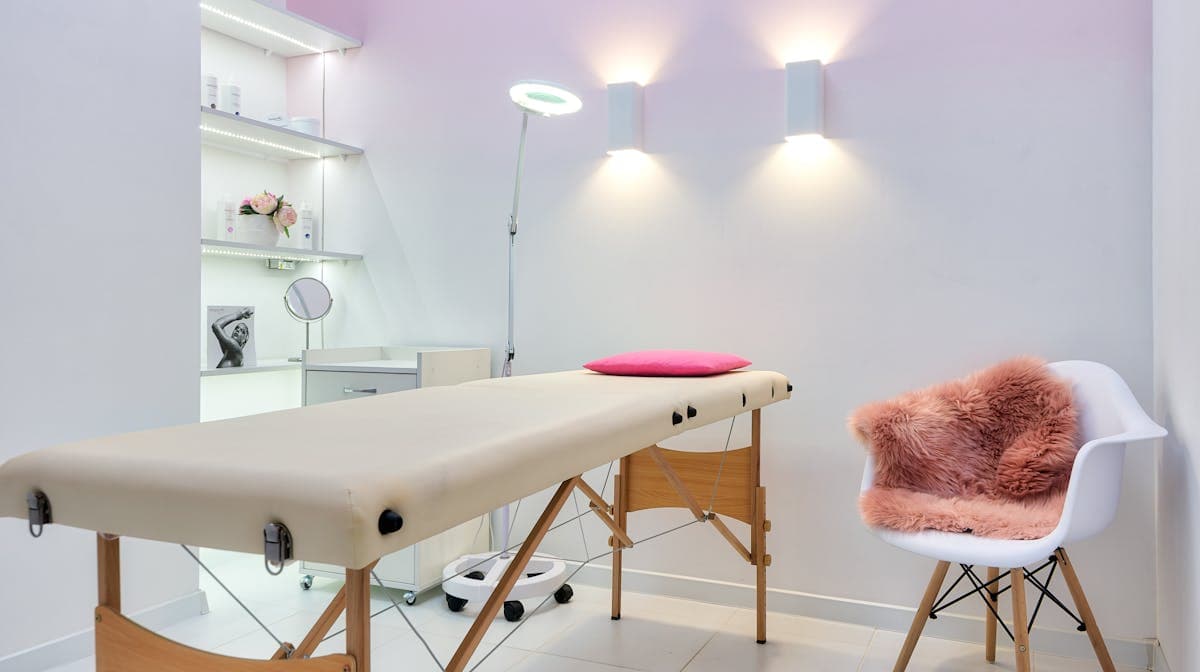
Suite owner/independent: You rent or own a private suite or studio. You're responsible for everything: rent, supplies, cleaning, retail inventory if you carry it, all your own marketing. Higher overhead, higher control.
Mobile stylist: You go to clients. No overhead on space. Different set of logistics — transportation, portable setup, managing locations.
The transition mechanics are similar for all three. What changes is the overhead you're taking on.
Business setup (the stuff most stylists put off)
Before you start taking clients independently, handle the business infrastructure. It takes one afternoon.
1. Register your business. In most states, a sole proprietorship is the simplest structure. You can operate under your own name with minimal paperwork. If you want liability protection, an LLC is worth considering — setup costs $50-100 in most states and takes about 30 minutes online.
2. Get a business bank account. Mixing personal and business finances is the source of most tax headaches independent stylists face. A separate business checking account keeps everything clean. Most banks offer free business checking.
3. Understand your tax situation. As an independent contractor, you're responsible for self-employment tax (15.3% on net income) in addition to regular income tax. You'll make quarterly estimated payments to the IRS. Most stylists set aside 25-30% of each payment for taxes. Work with a CPA if this is your first year — they'll often save you more than their fee.
4. Get a liability policy. Professional liability insurance for cosmetologists runs $100-200/year through providers like Next Insurance or Beauty Insurance Plus. Your salon had a policy. Now you're responsible for yours.
Building your client list before you leave
The hardest part of going independent is the transition period where your book isn't full yet. The best way to minimize that gap: start building before you leave.
This doesn't mean poaching from your current employer — that's both unethical and potentially a contract violation. It means:
- Let your existing clients know you're going independent (when your employer allows it, or when you've left)
- Build your Instagram presence before you leave so the following is already there
- Set up your booking page ahead of time so you can share it the day you announce
The stylists who transition smoothly are the ones who announce their independence with a booking link already active. "I'm going independent — you can book with me at [link]" converts much better than "I'm going independent — I'll text you when I'm ready."
Your toolkit as an independent stylist
Here's what you need to run a solo stylist business:
Booking system. Stop taking bookings through text. A booking page handles scheduling, collects deposits, and sends confirmations automatically. You get your evenings back. bookyour.hair is designed specifically for this — $19/month, no commissions, clients don't need to create an account.
Payment processing. Stripe is the default for independent stylists. Your booking system should connect to your Stripe account directly. This means payments go straight to you, not through a platform that holds your money.
Deposit policy. Set it before you open your calendar. One no-show when you're newly independent and still building your book hurts more than one at a busy salon. A 50% deposit collected at booking is the standard.
Supplies and retail. You're buying your own now. Open a professional account with your distributor (Salon Centric, CosmoProf, etc.) for the professional discount. Buy what you need; don't overstock retail until you know what your clients actually buy.
A professional email. yourname@yourdomain.com reads as a business. A Gmail or iCloud address reads as a hobby. Get the domain — it's $15/year.
What most stylists underestimate
The loneliness. Salon work is social. Independent work is quiet. Many stylists are blindsided by this. Build in time with other stylists — education events, trade shows, even group chats with others who went independent.
The inconsistency at first. Your first three months will probably not look like month twelve. That's normal. Fill in slow weeks with continuing education, portfolio building, or social media content.
How fast it compounds. Once your book is full and your retention is strong, independent income grows faster than employed income because every increase in your prices goes entirely to you. The ramp-up period is real; so is what's on the other side of it.
The transition timeline
Most stylists plan two to three months from decision to first independent booking. The rough breakdown:
- Month 1: Business setup, research locations, start building social presence
- Month 2: Sign lease or confirm space, set up booking system, build service menu, announce to existing network
- Month 3: First clients, refine your schedule and deposit policy as you go
Not everyone gets this luxury. Some stylists leave without a plan and figure it out fast. That works too. But if you have the runway, use it.
The bottom line
Going independent is not as complicated as it sounds. The legal and administrative side takes a weekend. The hard part is building a full book, and that's a grind whether you're in a salon or running your own space.
The stylists who do it well focus on the fundamentals: a clean booking experience, a consistent social presence, a referral system, and the patience to let the book fill up.
Getting your booking system set up is step one. bookyour.hair gives you a professional booking page at yourname.bookyour.hair in 10 minutes, for $19/month. No commissions, no platform overhead.